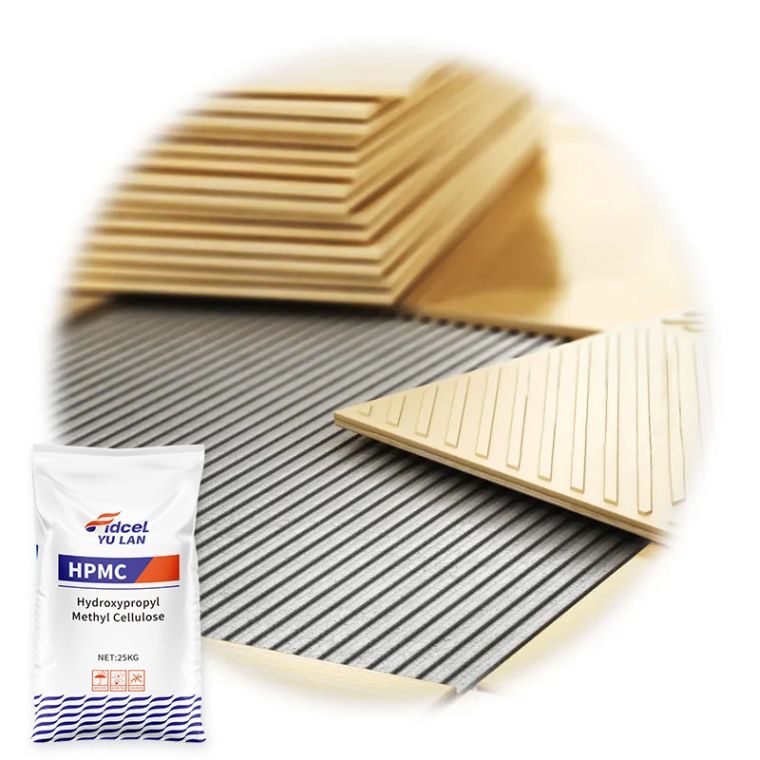
**Rising Demand Impacts Hydroxypropyl Cellulose Price Amid Industry Growth**The global market for Hydroxypropyl Cellulose (HPC) is experiencing significant shifts as increasing demand from various sectors drives price changes, reflecting broader trends within the chemical and pharmaceutical industries. Recent reports indicate that the price of Hydroxypropyl Cellulose has seen upward adjustments, influenced by supply chain dynamics, raw material cost fluctuations, and expanding end-use applications.Hydroxypropyl Cellulose is a versatile non-ionic cellulose ether widely valued for its solubility in both water and organic solvents, making it a preferred additive in pharmaceuticals, cosmetics, paints, and food products. Its unique properties, such as film-forming ability, thickening, stabilizing, and binding, allow it to play an essential role in product formulation and performance enhancement.**Market Dynamics Driving Price Changes**Several factors account for the current pricing trend of Hydroxypropyl Cellulose in the global marketplace. Firstly, raw material constraints have impacted cellulose derivatives across the board. The principal raw material, cellulose pulp, is subject to agricultural outputs and processing efficiency, which have been affected by environmental considerations and logistics challenges in recent months.Secondly, energy costs, which constitute a significant part of manufacturing expenses for chemical intermediates and final products, have remained volatile. Countries producing key intermediates have reported increased operational costs due to heightened electricity tariffs and fuel prices, which inevitably feed into the cost structure of products like Hydroxypropyl Cellulose.Third, demand from end-user industries is on the rise. The pharmaceutical industry, in particular, continues to expand its use of HPC in tablet coatings and controlled-release formulations, driven by ongoing advances in drug delivery technologies. Additionally, the cosmetic industry's reliance on HPC for stabilizing emulsions and enhancing texture has deepened, following the surge in skincare and personal care product consumption fueled by consumer trends towards natural and effective ingredients.**Supply Chain and Production Capacity**The Hydroxypropyl Cellulose market has witnessed some degree of supply-side tightening. While several manufacturers have ramped up production capacity, certain regions face limitations due to environmental regulations and compliance requirements. These factors contribute to periodic supply shortages, which create upward pressure on pricing.Moreover, the COVID-19 pandemic has left lingering effects on global logistics, with shipping delays and container shortages adding unpredictability to product availability. These challenges have underscored the importance of strategic sourcing and inventory management for downstream companies relying on Hydroxypropyl Cellulose.**Industry Outlook**Looking ahead, analysts predict that the demand for Hydroxypropyl Cellulose will continue its growth trajectory, supported by expanding pharmaceutical innovations, increasing cosmetic product diversity, and broader industrial applications such as adhesives, coatings, and 3D printing materials. Innovations aimed at improving the sustainability of cellulose ethers—such as utilizing bio-based raw materials and greener production processes—are expected to play a crucial role in shaping market dynamics, possibly affecting pricing structures.Efforts to enhance production efficiency and supply chain resilience are also underway within the industry. Companies are investing in advanced manufacturing technologies and exploring partnerships to stabilize supply and optimize costs. These measures may help moderate price volatility in the medium term, benefiting both producers and consumers.**Conclusion**The Hydroxypropyl Cellulose market is currently navigating a complex interplay of rising demand, supply constraints, and cost pressures, resulting in notable price adjustments. As industries increasingly rely on this multi-functional ingredient, stakeholders must stay attuned to evolving market conditions to effectively manage procurement and production strategies.With ongoing innovation and a focus on sustainability, the Hydroxypropyl Cellulose sector appears poised for steady growth, promising new opportunities across pharmaceutical, cosmetic, and industrial arenas. Buyers and suppliers alike should prepare for a dynamic environment in which price movements reflect both immediate challenges and long-term market potential.
Read More