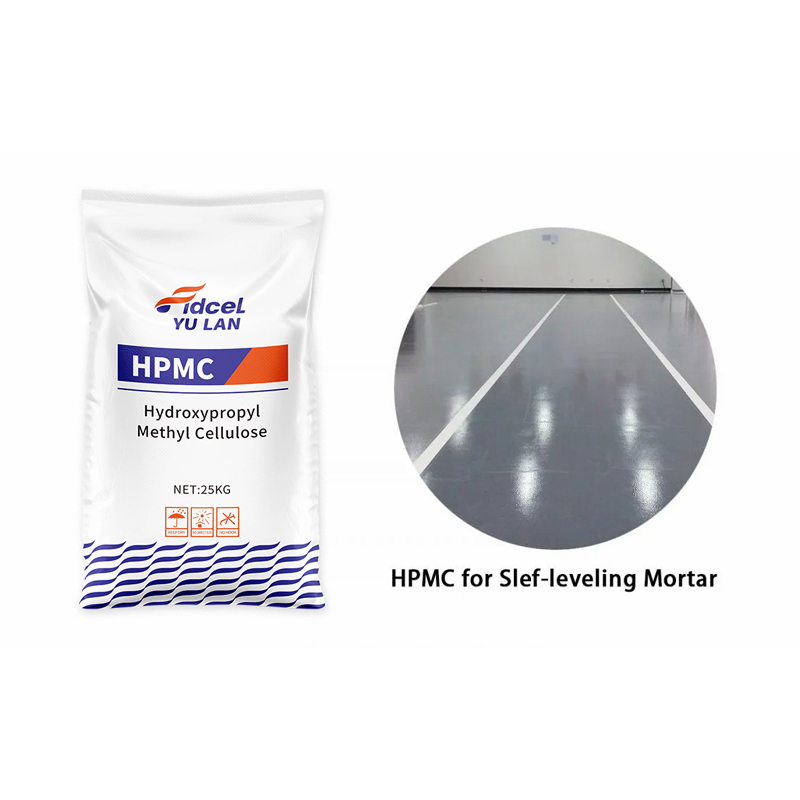
**The Growing Role of HPMC in Modern Pharmaceuticals**Hydroxypropyl Methylcellulose (HPMC) has emerged as a vital excipient in the pharmaceutical industry, owing to its versatile properties and multifaceted applications. As the demand for high-quality, effective, and patient-friendly medications rises, the incorporation of HPMC in pharmaceutical formulations has witnessed significant growth. This article explores the uses of HPMC in pharmaceuticals and highlights its importance in enhancing drug delivery systems.**What is HPMC?**HPMC is a semi-synthetic polymer derived from cellulose, modified to introduce hydroxypropyl and methyl groups. It is known for its excellent film-forming ability, biocompatibility, water solubility, and non-toxic nature. These characteristics make it an ideal ingredient in various pharmaceutical applications, particularly as a binder, film former, and controlled release agent.**Applications of HPMC in Pharmaceuticals**1. **Controlled Release Formulations**One of the most significant uses of HPMC in pharmaceuticals is in controlled release drug delivery systems. By regulating the rate at which the drug is released, HPMC helps improve therapeutic efficacy and patient compliance. When used as a matrix former in tablets, it swells upon contact with gastrointestinal fluids forming a gel barrier that slows drug diffusion. This property allows the sustained release of active pharmaceutical ingredients (APIs), reducing dosing frequency.2. **Film Coating Agent**HPMC is extensively used as a film coating material for tablets and capsules. The film formed by HPMC enhances the aesthetic appeal of the dosage form, masks unpleasant tastes or odors, and protects the drug from environmental factors such as moisture and light. Additionally, film coatings made from HPMC can be formulated to be enteric or gastro-resistant, allowing targeted drug release in specific areas of the gastrointestinal tract.3. **Binder in Tablets**In tablet formulation, HPMC serves as an effective binder, improving tablet hardness and cohesiveness. Its water solubility enables it to dissolve readily in granulation fluids, facilitating the formation of granules with desirable flow and compaction properties. This results in tablets that have uniform drug distribution and enhanced mechanical strength.4. **Suspending Agent in Liquid Formulations**HPMC’s thickening and stabilizing properties allow it to be used as a suspending agent in liquid pharmaceutical formulations such as syrups and suspensions. It helps maintain uniform dispersion of insoluble drug particles, ensuring dose uniformity and ease of administration.5. **Ophthalmic Solutions and Hydrogels**In ophthalmology, HPMC is valued for its mucoadhesive and lubricating properties. It is frequently used in eye drop formulations to relieve dryness and irritation by forming a protective film over the eye surface. Additionally, HPMC hydrogels serve as a delivery vehicle for ocular drugs, enhancing their retention time and efficacy.**Advantages of Using HPMC in Pharmaceuticals**- **Safety and Biocompatibility**: HPMC is non-toxic, non-irritant, and generally recognized as safe (GRAS) by regulatory agencies worldwide, making it suitable for oral, topical, and ophthalmic use.- **Versatility**: Its solubility in both cold and hot water and compatibility with a wide range of APIs provide formulators with flexibility in designing diverse dosage forms.- **Stability**: HPMC enhances the chemical and physical stability of drug formulations by protecting them from moisture and oxygen.- **Patient Compliance**: By enabling controlled release and improving palatability and appearance of medications, HPMC contributes to better adherence to therapy.**A Leading Manufacturer’s Commitment to Quality**In the evolving pharmaceutical landscape, reliable suppliers of high-quality excipients like HPMC are crucial. One such global manufacturer has been at the forefront, offering pharmaceutical-grade HPMC that meets stringent quality standards. Their state-of-the-art manufacturing practices ensure consistent purity, viscosity, and particle size distribution, empowering pharmaceutical companies to develop superior drug products.This manufacturer supports its partners with technical expertise and customized solutions, recognizing that each pharmaceutical application demands precise excipient characteristics. Their commitment to innovation and quality control helps accelerate product development timelines and ensures regulatory compliance.**Conclusion**The utilization of Hydroxypropyl Methylcellulose in pharmaceutical formulations exemplifies the synergy between excipient technology and drug product development. Its multifunctional nature – as a controlled release agent, film former, binder, and stabilizer – has cemented its role in advancing drug delivery science. As patient-centric therapies become the norm, excipients like HPMC will continue to play an essential role in improving medication safety, efficacy, and acceptability.Pharmaceutical companies seeking to leverage the benefits of HPMC can rely on industry-leading suppliers who provide high-grade materials, technical support, and tailored solutions. Together, these efforts contribute to the production of innovative, effective, and accessible medications that meet the health needs of populations worldwide.---*Note: Brand names have been omitted in compliance with editorial guidelines.*
Read More